None of the members of the San Rafael City Council promised voters they would support building a 17-story apartment complex downtown. They may have promised to address the need for more affordable housing, but not by building a relative skyscraper.
Likely, it would have at least raised some voters’ eyebrows as the idea of constructing a building that tall was on nobody’s radar.
That was until state lawmakers, pushing to build more housing, gave the green light to developers, essentially gutting local control over land-use decisions and providing them with bonuses that allowed for unimaginably large buildings.
Those changes led City Council members to a Hobson’s Choice – either comply with the state’s new rules and approve the out-of-scale apartment building proposed for 700 Irwin St. or invite a possible lawsuit that could cost the city a fine as high as $10 million.
In San Rafael, there’s no debate that the city needs housing – especially affordable housing – and the council has made it a top priority. But no one expected a 17-story building – taller than any other in the city by far.
Council members Eli Hill, Maribeth Bushey and Rachel Kertz voted to reject the three appeals.
But on two of the appeals, Mayor Kate Colin and Councilmember Maika Llorens Gulati, voted to overturn the planning commission’s approval.
Llorens Gulati wants the developer to downsize the plan. Colin stressed she’s not afraid of change and she strongly supports housing, but the high-rise is too big for its location.
Bushey and Hill said they worried that rejecting the project would set the city up for that lawsuit and an astronomical fine that would be a significant hit to the city’s general fund with the strong possibility a court would also allow the high-rise to be built.
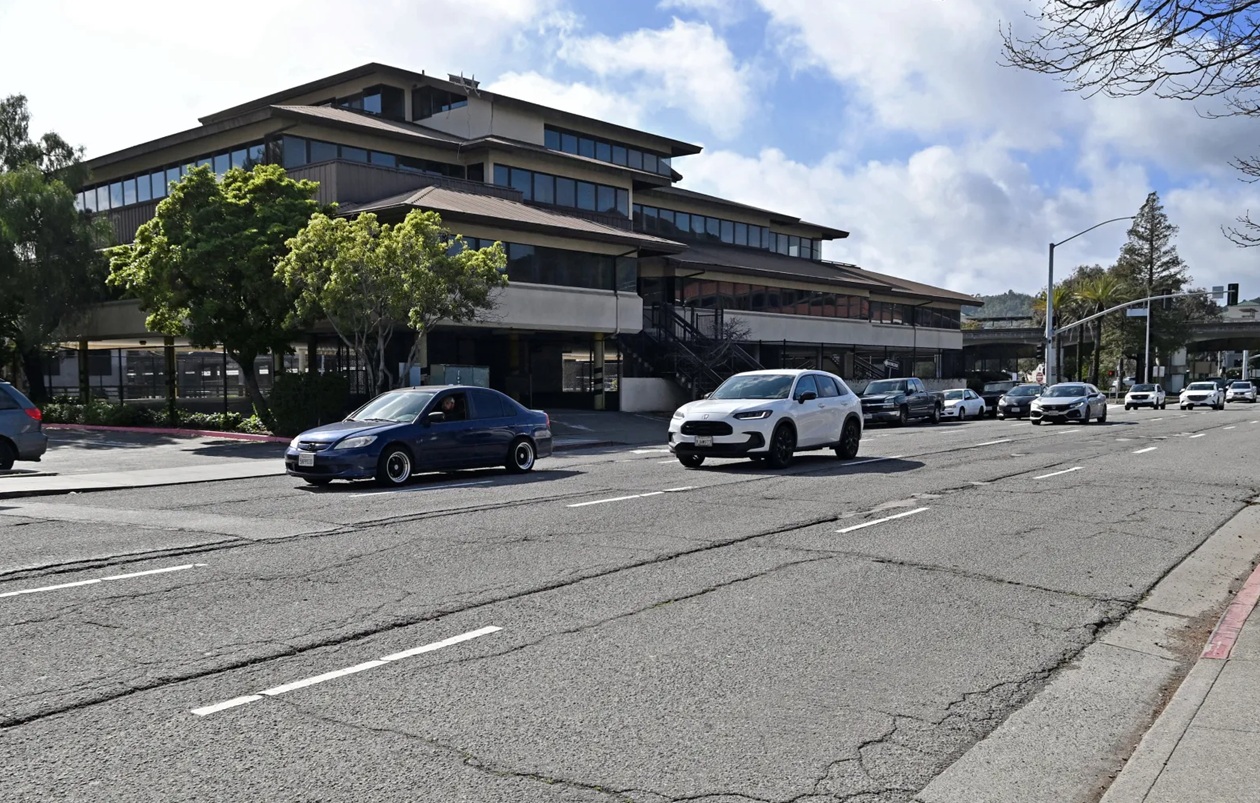
Both Colin and Llorens Gulati cited safety concerns about sea-level rise on the site which is near the San Rafael Canal and traffic in the area, a frequent gnarly location that the city has been working to improve and not worsen. Kertz wondered if the civic angst over the project was similar to local reaction in the 1950s to plans for building the Terra Linda neighborhood – where she lives today – which responded to the demand for housing during the Baby Boom.
“Cities evolve,” she said.
To read more or listen online, visit the Marin IJ.